Join the Campaign to Help


-
American Cancer Society Guidelines for the Early Detection of Cancer
American Cancer Society Guidelines for the Early Detection of Cancer
The American Cancer Society recommends these cancer screening guidelines for most adults. Screening tests are used to find cancer before a person has any symptoms.
-
Diet and Physical Activity: What’s the Cancer Connection?
Diet and Physical Activity: What’s the Cancer Connection?
How much do daily habits like diet and exercise affect your risk for cancer? Much more than you might think. Research has shown that poor diet and not being active are 2 key factors that can increase a person’s cancer risk. The good news is that you do something about this.
-
TREATMENT
Cancer treatment is improving, saving lives and extending survival for many people. Depending on various factors, treatment options may include surgery, radiation, immunotherapy, chemotherapy, hormone therapy, or targeted, local therapy, among others. These treatments might be used alone or in combination. Clinical trials evaluate the benefits of new therapies and broaden the options available to patients.
This section includes treatment trends for cancer sites for which there are available data trends and definitive treatment guidelines based on rigorous evidence of benefit to patients, including bladder, breast, colorectal, kidney, lung, ovarian, and prostate cancers.
-
Know about your health
You’re smart. You’re responsible. You’re highly motivated to keep your family healthy – and having adequate health insurance coverage is part of that. But learning what you need to know about insurance in order to make good decisions can be overwhelming. That’s where we can help.
All Categories - Featured
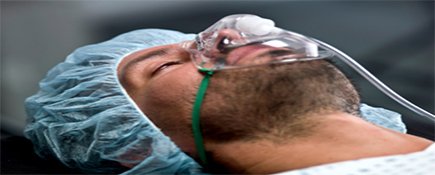
Relieve symptoms when the cancer cannot be cured
HOW CHEMOTHERAPY IS GIVEN
Depending on the type of cancer and where it is found, chemotherapy may be given in a number of different ways, including:
Injections or shots into the muscles
Injections or shots under the skin
Into an artery
Into a vein (intravenous, IV)
Pills taken by mouth
Shots into the fluid around the spinal cord or brain
When chemotherapy is given over a longer period of time, a thin catheter can be placed into a large vein near the heart. This is called a central line. The catheter is placed during a minor surgery.
There are many types of catheters, including:
Central venous catheter with a port
Percutaneously inserted central catheter (PICC)
Different chemotherapy drugs may be given at the same time or after each other. Patients may receive radiation therapy before, after, or while they are getting chemotherapy.
Chemotherapy is most often given in cycles. These cycles may last one day, several days, or a few weeks or more. There will usually be a rest period when no chemotherapy is given between each cycle. A rest period may last for days, weeks, or months. This allows the body and blood counts to recover before the next dose.
Often, the chemotherapy is given at a special clinic or at the hospital. Some people are able to receive chemotherapy in their home. If home chemotherapy is given,home health nurses will help with the medicines and IVs. Patients and their family members will receive special training.
SIDE EFFECTS OF CHEMOTHERAPY
Because these medicines travel through the blood to the entire body, chemotherapy is described as a body-wide (systemic) treatment.
As a result, chemotherapy may damage or kill some normal cells, such as those found in the bone marrow, hair, and the lining of the digestive tract.
When this damage occurs, there can be side effects. Some people who receive chemotherapy:
Are more likely to have infections
Become tired more easily
Bleed too much, even during everyday activities
Feel pain from damage to the nerves
Have a dry mouth, mouth sores, or swelling in the mouth.
Have a poor appetite or lose weight.
Have an upset stomach, vomiting, or diarrhea
Lose their hair
Side effects of chemotherapy depend on many things, including the type of cancer, and which drugs are being used. Each patient reacts differently to these drugs. Some newer chemotherapy drugs that better target cancer cells may cause fewer side effects.
Your doctor and nurse will explain what you can do at home to prevent or treat side effects, such as:
Being careful with pets and other animals to avoid catching infections from them
Eating enough calories and protein to keep your weight up
Preventing bleeding, and what to do if bleeding occurs
Practicing safe eating and drinking habits.
Washing your hands often with soap and water
You will need to have follow-up visits with your doctor and nurse during and after chemotherapy. Blood tests and imaging tests, such as x-rays, MRI,CT , or PET scans will be done to:
Monitor how well the chemotherapy is working
Watch for damage to the heart, lungs, kidneys, blood, and other parts of the body
Courtesy: www.nlm.nih gov


Infographic Gallery